
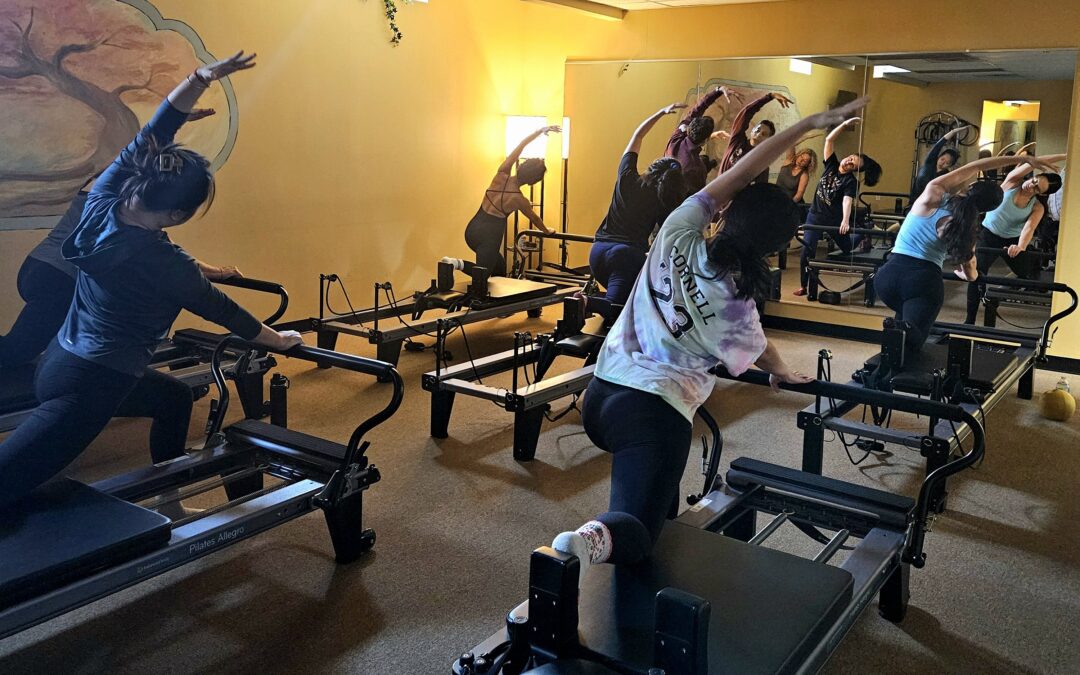
Oftentimes, folks get stressed out simply by hearing the word “cortisol”. If your days are spent in fight-or-flight mode, frantically searching for stress relief may only compound the feeling. Through this article, we want to explore Pilates as a method of regulation for stress.
Cortisol is commonly referred to as the “stress hormone”, earning it a less-than-stellar reputation. However, cortisol is essential to many bodily functions. Having uncommonly high or low levels of cortisol can put your physical well-being in jeopardy.
To give a run down of the basics: cortisol regulates blood sugar levels, raising them in times of high stress and vice versa. This provides the body with energy in situations that require a fast response. This hormone actually reduces inflammation when released intermittently and aids in the maintenance of the body’s circadian rhythm.
However, long-term stress can cause heightened levels of cortisol, leading to negative outcomes. Blood pressure may increase, the immune system gets weaker, and sleep is disrupted. Cushing syndrome, or consistently high cortisol levels, can even contribute to osteoporosis and Type 2 diabetes.
It is important to note that you can only control your cortisol to a certain degree, but stress management is one way to lower cortisol levels. Pilates has proven to be an effective way to reduce stress, thus regulating your cortisol.
Understanding the Parasympathetic Nervous System
The parasympathetic nervous system is key to understanding the cause and effect of cortisol. The parasympathetic nervous system refers to the functions of the nervous system when it is at rest. It complements the sympathetic nervous system, or the functions of the nervous system when it is under stress. Both must be in balance to maintain a healthy lifestyle.
The parasympathetic nervous system is responsible for all the things we take for granted, such as regular heart rate and digestion. During raised cortisol levels, the sympathetic nervous system takes over and these functions may be disrupted. Practicing Pilates activates the parasympathetic nervous system, as opposed to other forms of exercise that activate the sympathetic nervous system.
The vagus nerve is the largest branch of the parasympathetic nervous system, traveling down the brain stem and into the abdomen. Deep breathing during Pilates directly stimulates this nerve, inducing an immediate calming effect.
To get even more scientific, the parasympathetic nervous system connects to the Hypothalamic-Pituitary-Adrenal (HPA) axis, which is the channel that monitors the release of cortisol. Studies have shown that focusing on the parasympathetic nervous system allows it to send signals to the HPA axis that stop this egress.
The reason that taking a Pilates class feels like a physical relief is because it releases stored cortisol and adrenaline from your muscles. Furthermore, activating the parasympathetic nervous system is a great way to improve digestion and reduce inflammation.
Pilates as an Exercise for Stress Reduction
There are three main types of stress: acute stress, chronic stress, and traumatic stress. Acute stress occurs for short bursts, while chronic stress signifies a low level of stress over a long period of time. Traumatic stress links to an event, or multiple events, that have caused a consistent stress response within an individual.
Exercise in general is a proven effective way to reduce all forms of stress. Despite this, many people who suffer from these conditions find it difficult to start moving. This is because high intensity forms of exercise, such as running, increase cortisol levels briefly during the beginning of a training period. This increase in cortisol is surprisingly beneficial because it helps to desensitize the body to the presence of the hormone, lowering levels over time.
Though Pilates is a lower impact exercise, it still releases cortisol for the same reasons. Resistance training, an essential part of Pilates, targets various muscles during exercise, necessitating the use of cortisol. Yet Pilates facilitates the benefits of short-term raised cortisol levels, without any of the downsides.
Pilates combines both high activity and breath regulation to combat the immediate release of cortisol during exercise. Even though the body still releases the stress hormone when practicing Pilates, the unpleasant feeling is dampened by the mind-body connection.
In Pilates, this term refers to the practice of intentional movement that reflects a deep understanding of the body. This is paramount to maintaining a productive Pilates experience. A mental connection helps participants feel more in tune with their own body and gives them something to focus on, distracting them from stress.
As mentioned previously, another large component to Pilates is breathwork. An intentional focus on breath control during exercise helps to lower heart rate and further enhance the mind-body connection.
Understanding the Parasympathetic Nervous System
The parasympathetic nervous system refers to the functions of the nervous system when it is at rest. It complements the sympathetic nervous system, or the functions of the nervous system when it is under stress. Both must be in balance to maintain a healthy lifestyle.
The parasympathetic nervous system is responsible for all the things we take for granted, such as regular heart rate and digestion. During raised cortisol levels, the sympathetic nervous system takes over and these functions may be disrupted. Practicing Pilates activates the parasympathetic nervous system, as opposed to other forms of exercise that activate the sympathetic nervous system.
The vagus nerve is the largest branch of the parasympathetic nervous system, traveling down the brain stem and into the abdomen. Deep breathing during Pilates directly stimulates this nerve, inducing an immediate calming effect.
To get even more scientific, the parasympathetic nervous system connects to the Hypothalamic-Pituitary-Adrenal (HPA) axis, which is the channel that monitors the release of cortisol. Studies have shown that focusing on the parasympathetic nervous system allows it to send signals to the HPA axis that stop the release of cortisol.
The reason that taking a Pilates class feels like a physical release is because it does in fact release stored cortisol and adrenaline from your muscles. Furthermore, activating the parasympathetic nervous system is a great way to improve digestion and reduce inflammation.
Long-Term Impacts
Frequent instances of Pilates practice can lead to significant change in your body functions. Measurable stress relief can be achieved with sessions 2-3 times a week, but even a 10 minute session can alleviate acute stress reactions. As long as you keep your practice intentional and don’t just go through the motions, you will feel a reduction in stress.
Firstly, raised cortisol levels can impact sleep cycles. Due to its influence on circadian rhythm, regulation of cortisol can induce deeper and more consistent sleep. Getting the recommended amount of rest also reduces stress, compounding the effects of lower cortisol.
Activating the parasympathetic nervous system also releases healthy neurochemicals like serotonin and dopamine. These hormones contribute to feelings of happiness, contentment, and relaxation. An increase in the presence of these hormones has similar effects to the lowering of cortisol levels.
Additionally, modulating cortisol levels can reduce instances of illness by increasing resiliency within the immune system. You may notice faster recovery time or less intense symptoms after maintaining your Pilates practice consistently.
Most importantly, attending your weekly Pilates class will help the body adapt to stress over time. The next time you are faced with a situation that puts you in fight-or-flight mode, you will be able to think clearly and regulate your emotions. Stress will always fluctuate, but you will be equipped to handle it.
These long-term benefits add up. Even small changes in your mood can influence the quality and longevity of your life. Along with the material benefits, such as flexibility, stability, and balance improvement, you will begin to see differences in your nervous system responses as well. With all this in mind, it’s time to consider signing up for your next Pilates class!